Maintenance
10 tips for preventive maintenance of belt conveyors
Published on October 31, 2024 · Demakine Team

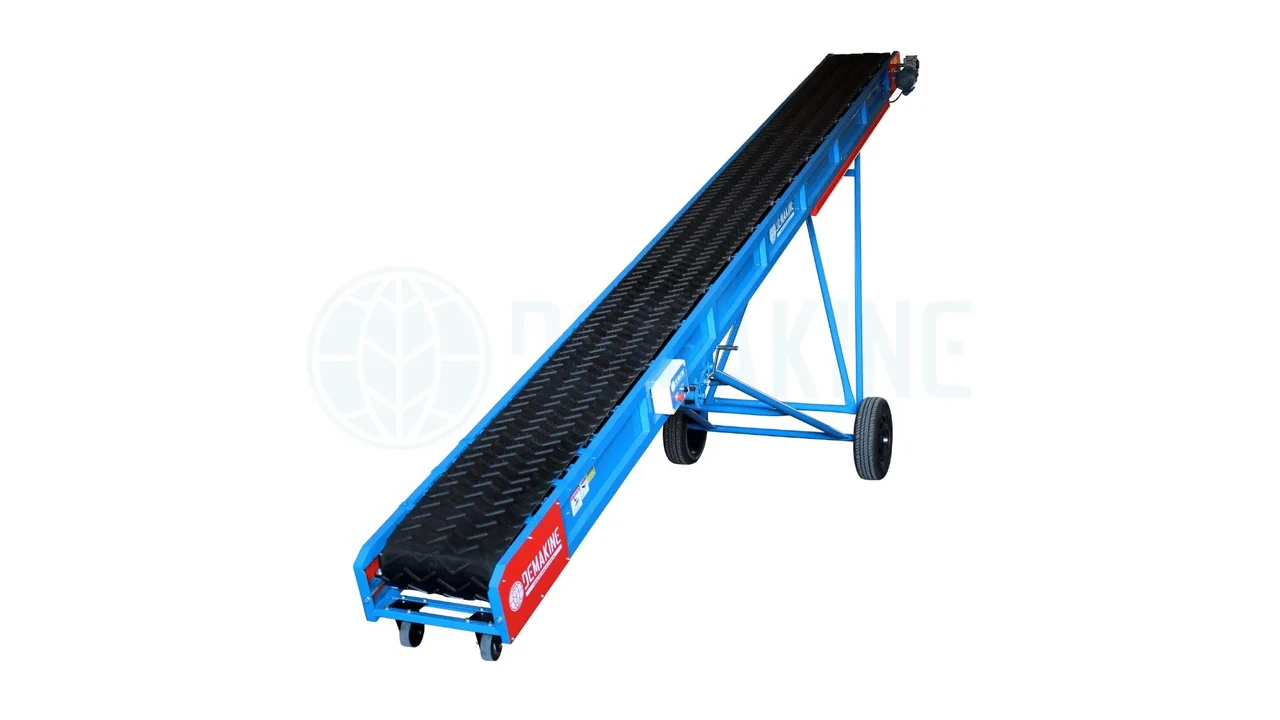
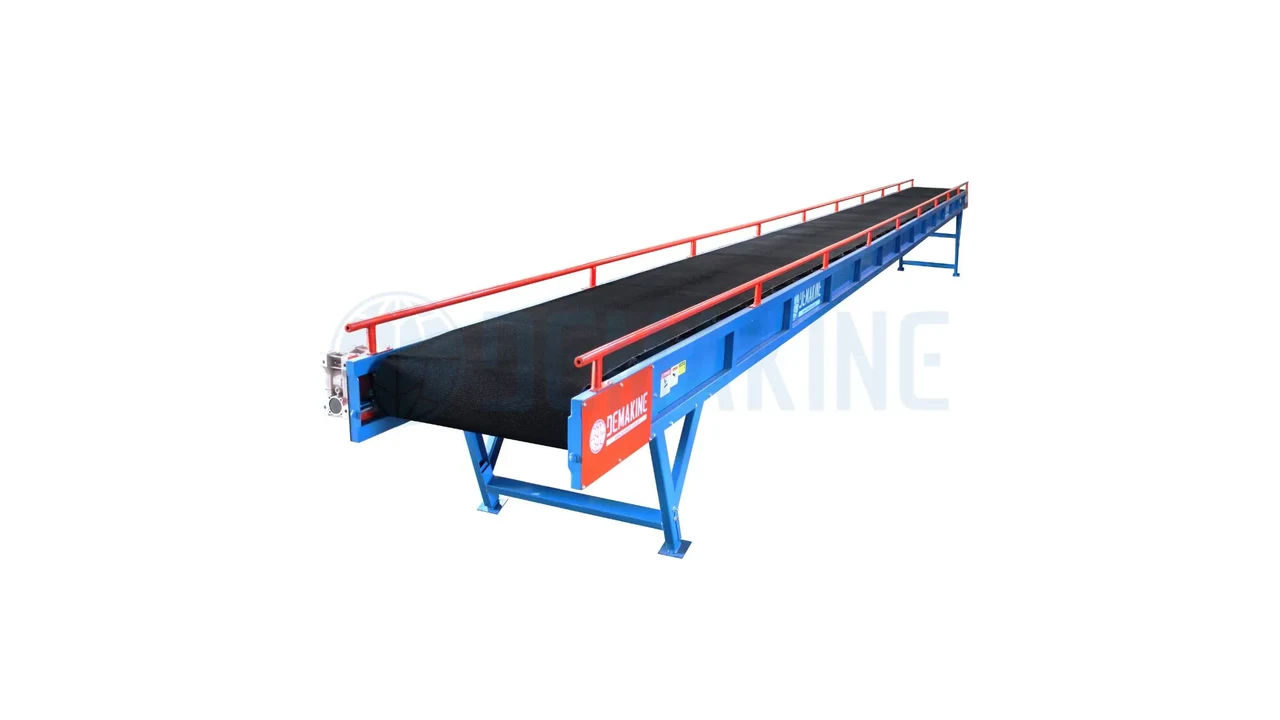
Belt conveyors are crucial components in many sectors such as mining, logistics, agriculture, construction and the food industry. To maintain their efficiency and extend their service life, preventive maintenance is essential. In this article, we explore the best practices for preventive maintenance of belt conveyors, to keep your conveyors in great condition, minimizing unexpected stoppages and reducing repair costs.
Why is preventive maintenance important?
Belt conveyors are designed to move materials continuously and efficiently. However, constant use can cause wear, misalignment and component failures. Without proper maintenance, there is a high risk of interruptions and accidents, which impacts productivity and generates unexpected expenses.
Implementing a regular preventive program is the best way to avoid these problems and ensure that your industrial processes run without interruptions. In addition, this care increases operator safety and reduces costs in the long term.
Here are 10 tips for the preventive maintenance of your belt conveyor:
1. Check belt tension regularly
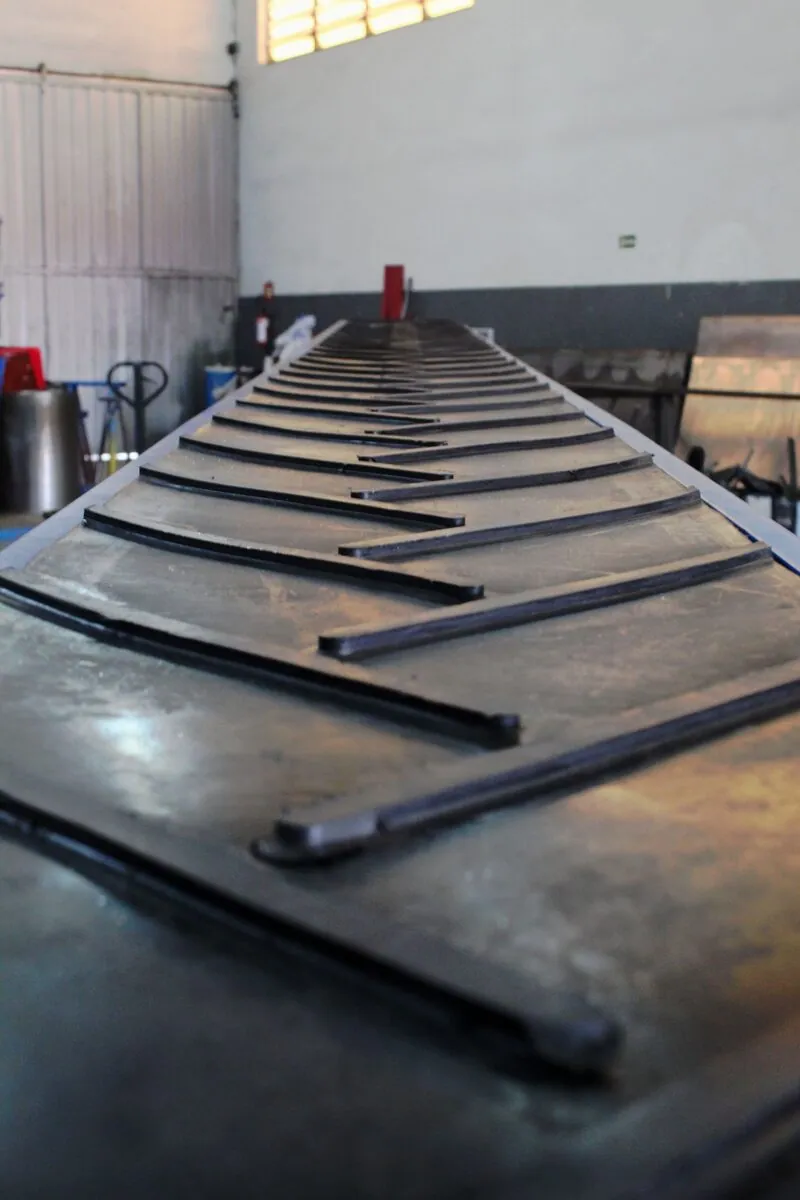
The belt is considered the heart of the conveyor, as it is responsible for moving materials efficiently and safely along the production process. Its proper adjustment is essential to avoid problems such as slipping, misalignment and premature wear, which can compromise the overall performance of the equipment. When the belt is loose, the risk of operating failures increases significantly, resulting in lost productivity and even unexpected stoppages, affecting the continuous flow of the production line.
Keeping the belt at the correct tension is fundamental to maximize the system's service life and avoid frequent corrective maintenance. For that reason, it is essential to carry out periodic inspections and monitor its physical and mechanical condition. Besides watching for signs of wear, such as cracks, deformation or fraying, the operator should check and adjust the tension according to the manufacturer's technical specifications. These instructions ensure that the system works efficiently, preventing breakage and extending the durability of the belt and the other components of the conveyor.
2. Lubricate moving parts
Components such as bearings, chains and gears need constant lubrication to work properly and avoid operating problems. Lubrication reduces friction between contact surfaces, minimizing wear on the parts and preventing overheating, which extends the system's service life. In addition, the lubricant film protects against contaminants such as dust and moisture, avoiding corrosion and other damage that can compromise the operation.
Lack of lubrication is one of the main causes of failure in mechanical systems, since increased friction can cause excessive wear, abnormal noise and even seizing of components. If neglected for a long time, this can lead to unexpected stoppages and the need for costly corrective maintenance, impacting productivity.
3. Inspect the belt and rollers for wear
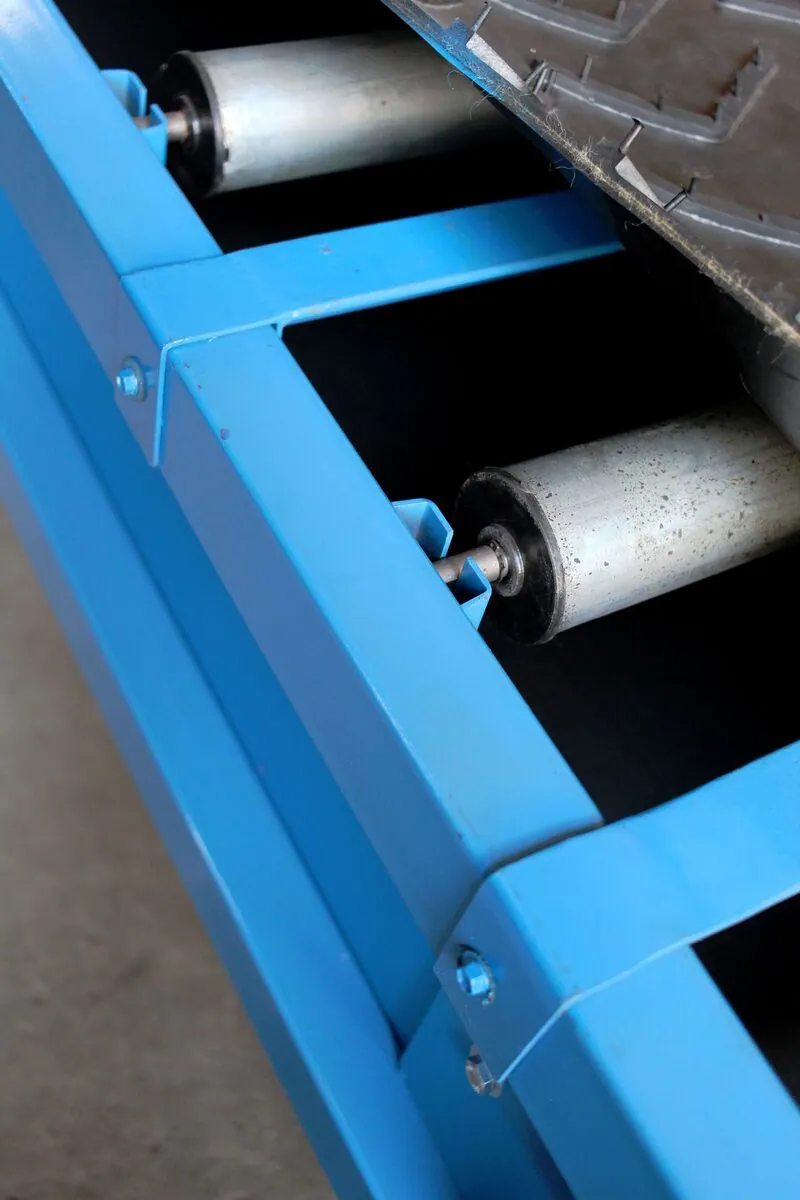
Cracks, tears or misalignment in the belt and rollers are critical problems that can significantly harm the operation of the conveyor. These imperfections not only compromise the efficiency of material handling but can also result in more serious failures in the system. For example, cracks and tears in the belt can lead to sudden breakage, interrupting the operation and causing production delays. Likewise, roller misalignment can cause irregular, excessive wear, increasing the likelihood of mechanical failures.
It is essential that operators watch for any signs of wear and carry out regular inspections. Early detection of problems, such as visible cracks, tears or roller misalignment, can be the key to avoiding greater damage and high corrective maintenance costs. On noticing these signs, immediate replacement of the damaged components is crucial to maintain the continuity and safety of operations.
4. Keep the conveyor clean
Debris and dirt that build up over time can directly impact the performance and durability of belt conveyors, as well as increase the risk of mechanical failures. Dust and other residues can lodge in crucial components, such as motors, bearings, belts and sensors, hindering smooth, efficient movement. This can lead to premature wear of parts and, in more serious cases, to the unexpected stoppage of the equipment, causing interruptions to operations and losses.
For that reason, it is essential to clean the conveyor regularly. This helps extend the equipment's service life, reduces the need for frequent repairs and avoids unplanned production stoppages. In addition, a clean conveyor improves operating safety, minimizing the risk of accidents caused by objects caught in the belts or by components overheating because of built-up dirt.
5. Check the side guides and safety devices
The side guides keep materials from leaving the designated path and minimize the risk of spillage along the process. These guides are important in operations that handle loose or fragile products or products that must follow a precise linear path to ensure integrity and quality during conveying. The guards, in turn, are indispensable for operator safety, reducing the possibility of work accidents.
These parts must be inspected regularly to identify wear, misalignment or other problems that could compromise the operation of the system. Quick, proper adjustments keep small defects from developing into serious failures, ensuring that production flows without interruptions. In addition, preventive maintenance of the side guides and guards helps avoid accidents, protect employees' health and ensure compliance with current safety standards. Continuous attention to these components also helps reduce the cost of unexpected repairs and increases the equipment's service life, ensuring efficient, safe operation in the long term.
Check out our Complete Guide to Belt Conveyors and learn all about each type of conveyor, its specifics and how it can optimize your operations.
Open the guide
6. Carry out scheduled preventive maintenance
To ensure the efficiency and durability of belt conveyors, it is essential to draw up a detailed preventive maintenance plan, including periodic inspections and the replacement of parts at previously defined intervals. This type of maintenance, when well planned, helps identify and correct potential problems before they cause failures or unexpected interruptions. In addition, by keeping a structured maintenance schedule, it is possible to plan scheduled stoppages better and minimize the impact on production. Implementing a strict routine of inspection and replacement of components, such as bearings, belts, pulleys and motors, can extend the conveyor's service life, reduce emergency repair costs and ensure its continuous, safe operation.
7. Train your team regularly
It is essential that operators are fully familiar with good maintenance and safety practices to ensure the ideal performance and longevity of belt conveyors. Offering regular, specialized training is an effective way to qualify employees, allowing them to acquire the skills to detect signs of wear, unusual noises, misalignment or other problems at an early stage.
That way, besides ensuring that the operation runs safely and efficiently, operators will be better prepared to take corrective or preventive action as needed. Awareness of the importance of maintenance also reduces the risk of accidents and promotes a culture of safety and care for the equipment.
8. Monitor performance in real time
Using monitoring tools is essential to follow critical conveyor parameters continuously and accurately, such as operating speed, belt alignment and possible vibrations in the system. These measurements make it possible to identify, preventively, any deviation in operation that may indicate imminent problems. That way, corrections can be made before problems become critical, avoiding unexpected stoppages on the production line. This kind of monitoring not only ensures a more stable, safer operation but also contributes directly to extending the equipment's service life, optimizing maintenance costs and improving the system's overall efficiency.
9. Replace worn parts immediately
Do not put off replacing parts that show signs of wear, such as cracks, play or deformation. Ignoring these signs can result in serious failures, compromising the efficiency and safety of the whole operation. Damaged components tend to speed up the wear of other items in the system, causing a chain reaction of problems that can impact production. Preventive replacement not only reduces the risk of unexpected stoppages but also avoids additional corrective maintenance costs and extends the equipment's service life. Get ahead of problems and keep the operation running without interruptions and more safely.
10. Count on Demakine for specialized maintenance
Demakine offers specialized inspection and maintenance services for belt conveyors, always focused on quality and efficiency. Our highly skilled technical team has extensive experience in the sector and modern equipment to ensure the best performance of your conveying systems. We carry out detailed inspections, identifying possible wear or faults that could compromise the operation, and perform preventive and corrective maintenance quickly and safely.
With our specialized support, we make sure your belt conveyors operate at maximum capacity and safety, minimizing unplanned stoppages and increasing the equipment's service life. Count on Demakine to keep your operation flowing continuously and without complications.
Why choose Demakine?
With more than 14 years of experience, Demakine is a reference in the manufacture and maintenance of belt conveyors. Our solutions are adapted to each customer's specific needs, ensuring higher productivity and less downtime.
Complete service: from manufacturing to maintenance, we offer support at every stage.
Efficiency and agility: we minimize downtime so your operation is not interrupted.
Modular equipment: our conveyors are designed to measure for your application.
Specialized technicians: a qualified team to ensure maximum reliability.
Preventive maintenance of belt conveyors is essential to ensure the continuous, efficient running of your operations. Implementing a well-structured maintenance plan, combined with team training and preventive replacement of parts, avoids unexpected failures and reduces operating costs.
Choosing Demakine as a partner ensures not only a quality service but also the security of having a specialized company at your side, committed to the efficiency and productivity of your industry.
Contact us today and find out how our belt conveyor solutions can optimize your operations!
Gallery

Need to apply this to your operation?
Our engineering team assesses your process and recommends the right equipment, including custom-built projects.