Industrial management
What it costs to move loads by hand
Published on July 29, 2026 · Demakine Team
Handling loads by hand looks free because the cost does not show up on any line of the spreadsheet. There is no invoice called "manual handling". It shows up diluted: in payroll, in sick leave, in harvest-season overtime, in damaged product and in the truck standing idle waiting to be unloaded. Add it all up and the figure is usually a surprise.
This article shows how to calculate that cost with numbers you already have at hand, and then compare it with the investment in equipment.
The basic calculation
Start with the simplest: how many people are on handling, how many hours a day and what the real hourly cost of that labor is. Real hourly cost includes payroll charges, not just the salary. Multiply by the days worked in the year and you already have the number nobody usually looks at.
That is why the first result is a shock: a small team, in a routine of a few hours a day, adds up to an annual figure that is often greater than the very equipment that would solve the problem.
The costs that do not go into the calculation and should
Overtime and harvest peak
Manual handling does not scale. When volume doubles, the only way out is more people or more overtime, and both cost more per unit moved. A machine absorbs the peak without renegotiating anything.
Sick leave and risk
Carrying weight repeatedly causes injury, medical certificates and sick leave. Besides the direct cost, there is the cost of replacing the person in the middle of the shift and the labor liability, which nobody wants on the balance sheet.
Damaged product
Torn bags, crushed boxes, bruised fruit. Every damaged item is product you bought or produced and will not sell. In bag and fresh produce operations, that loss alone already pays for part of the equipment.
Truck waiting
Slow unloading means freight standing in the yard. Depending on the contract, that becomes demurrage or lost priority on the next load. And even when it does not become an invoice, it becomes a delay on your own line.
Staff turnover
Heavy work has the highest turnover in the factory. Every replacement means selection, hiring, training and low productivity in the first weeks.
What changes with equipment
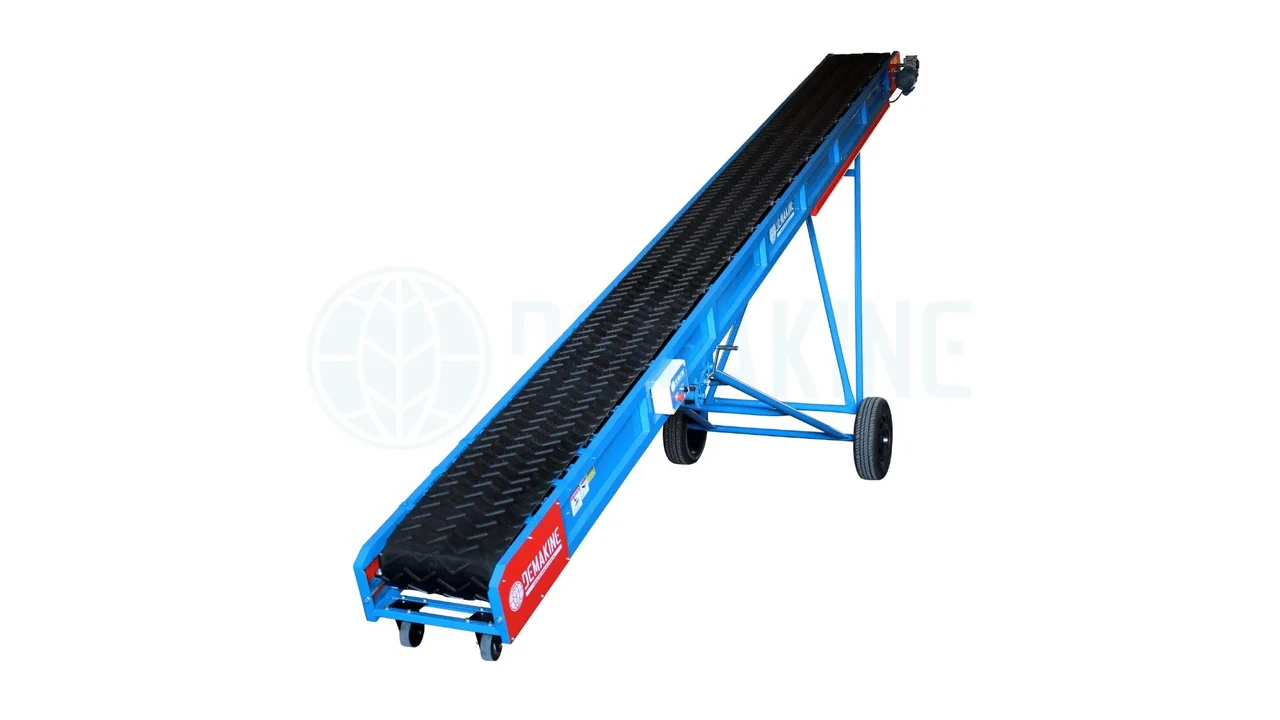
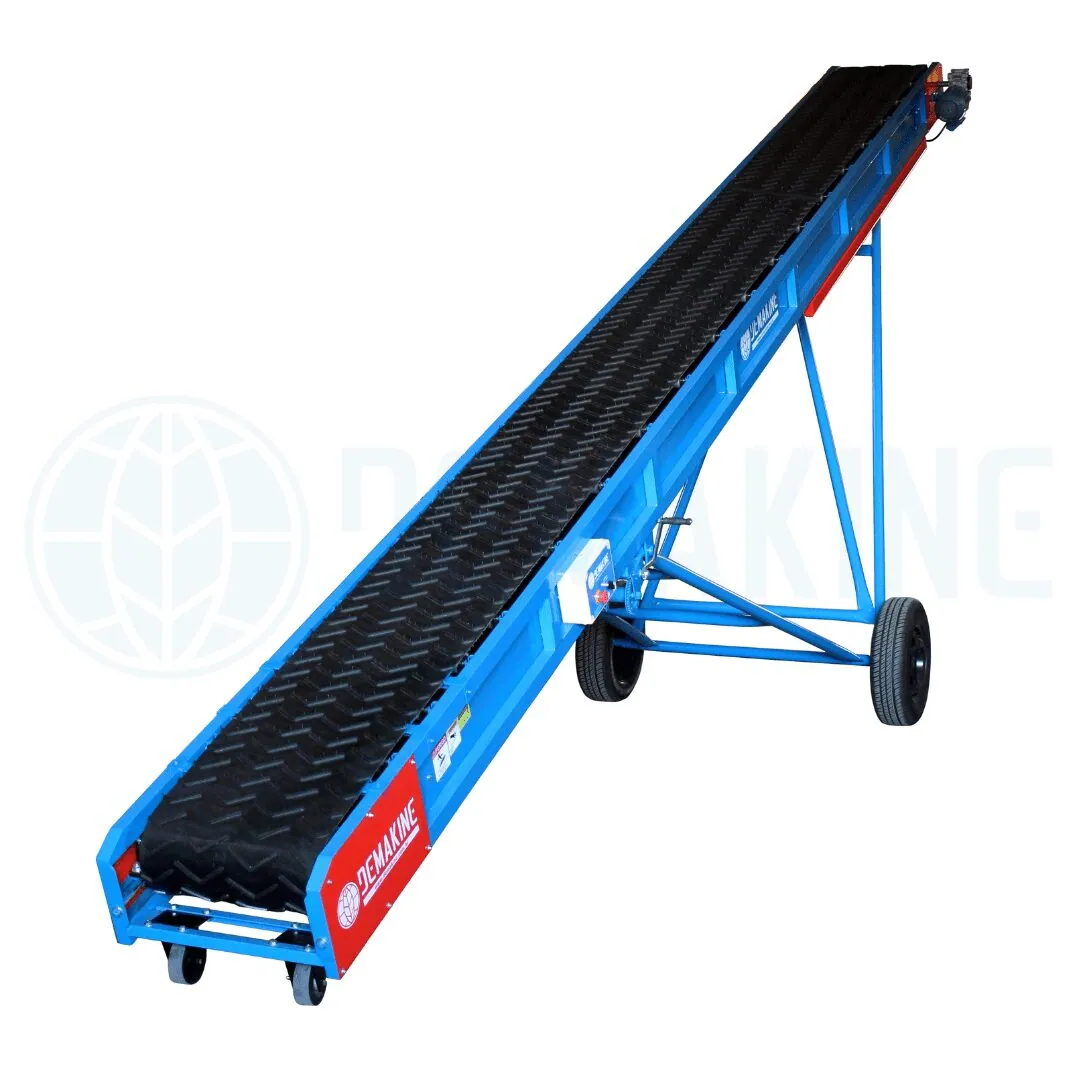
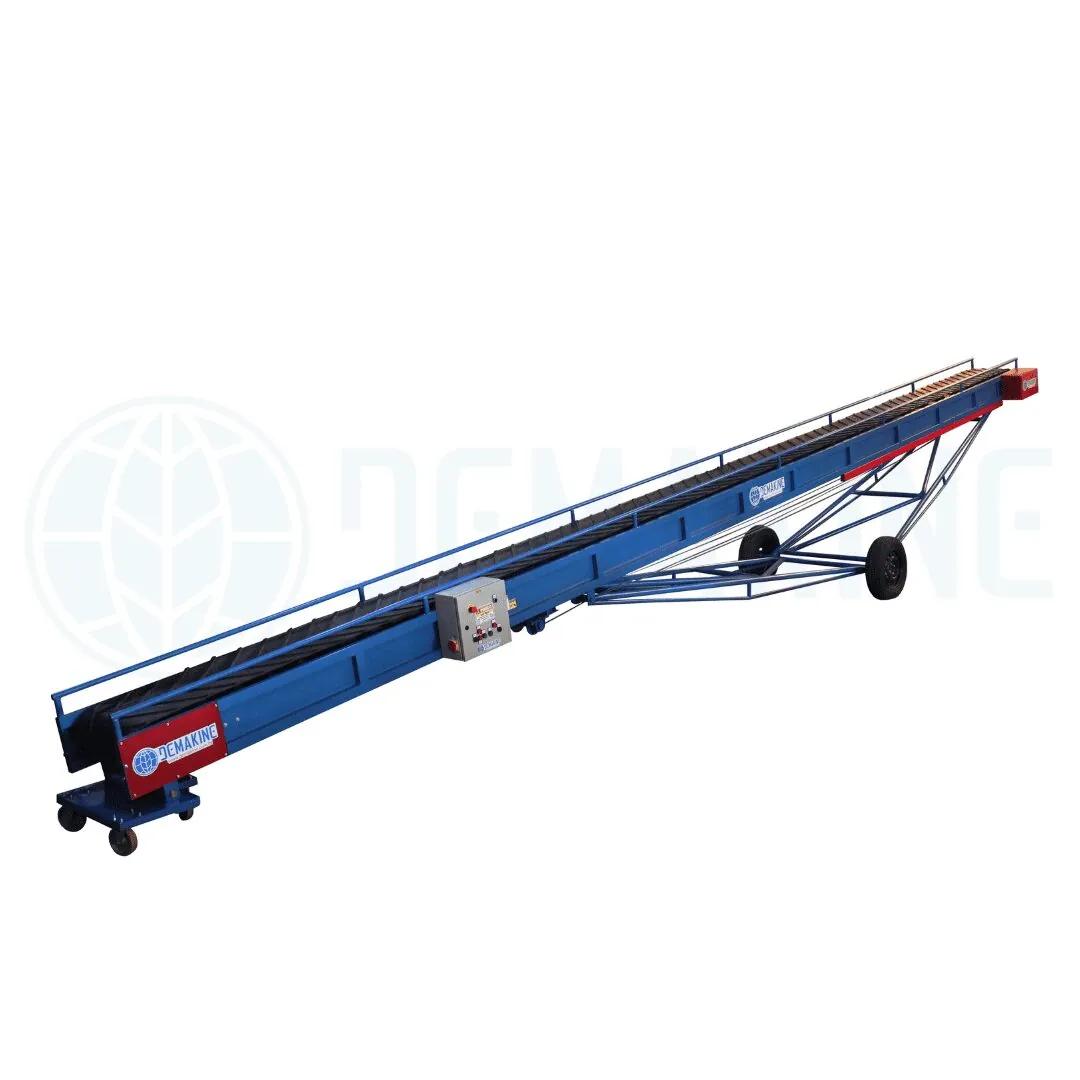
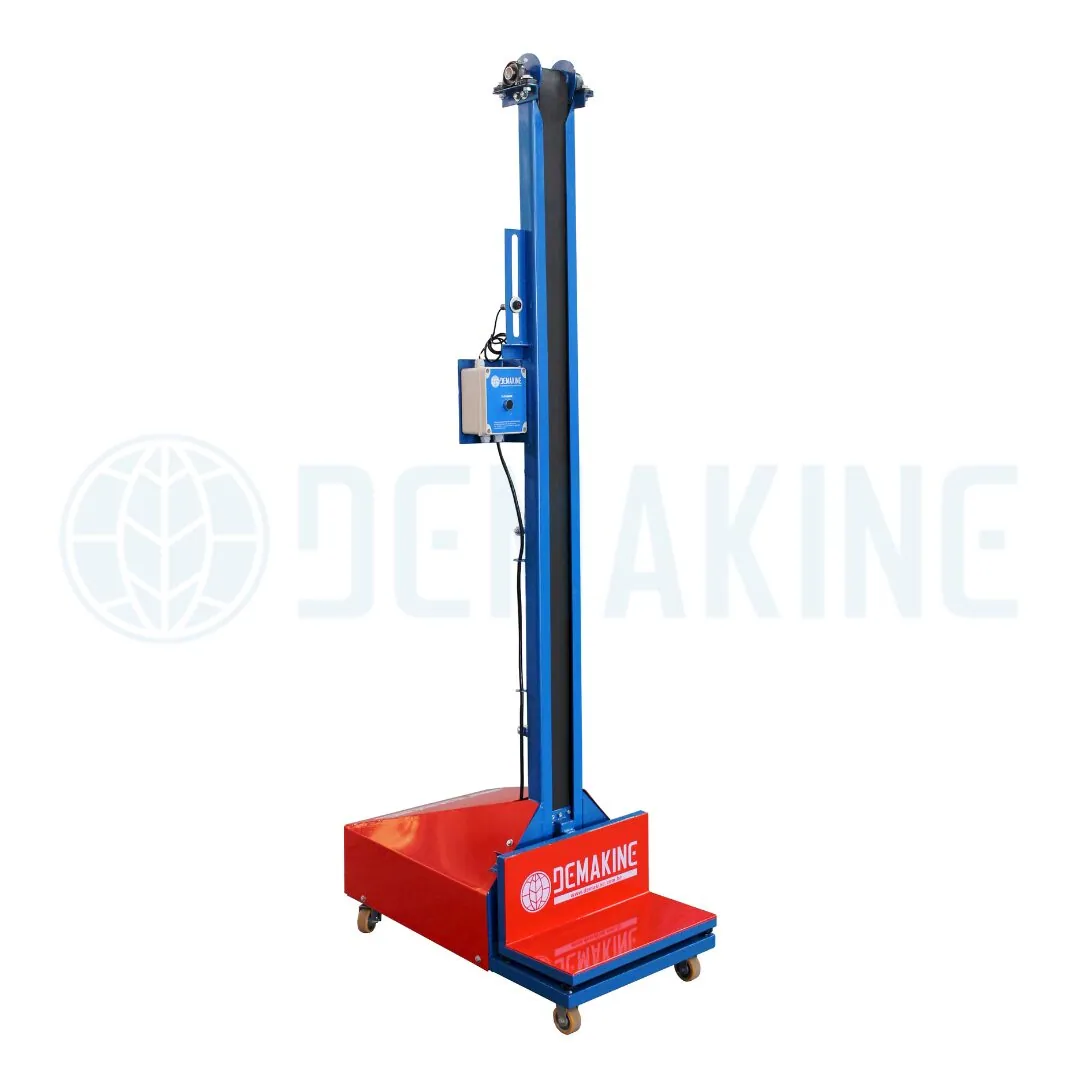
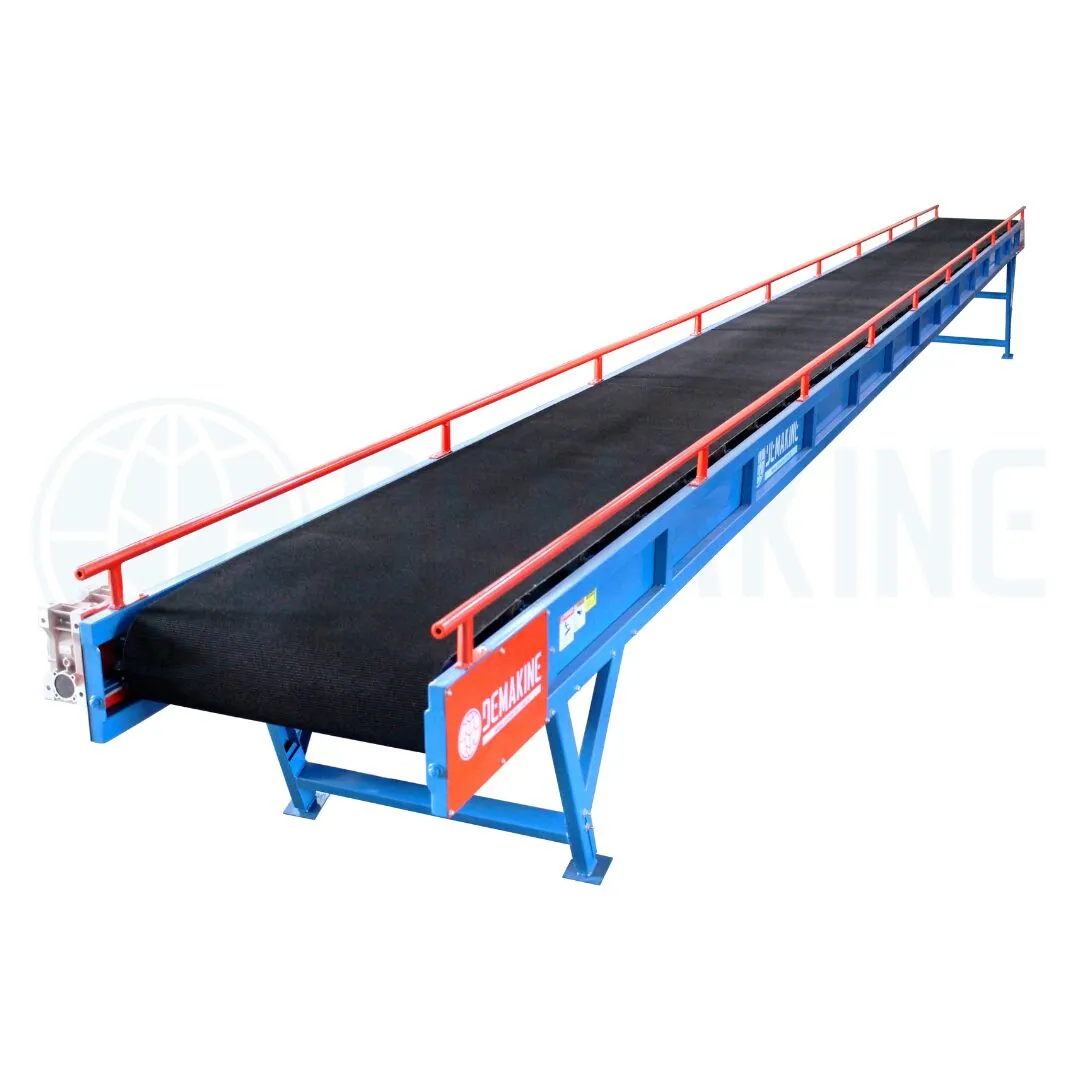
Mechanized handling swaps variable cost for investment. Once installed, the conveyor or elevator consumes energy and maintenance, and delivers the same flow every day, regardless of who is absent. The people who were carrying move to checking, packing and quality roles, which add more value.
It is not about reducing the team: at most of the customers we serve, the team stays the same and the operation starts handling a volume that used to be impossible without hiring.
How to assess the payback honestly
•Use the real hourly cost, with payroll charges, not the nominal salary.
•Consider the volume peak, because that is where the manual operation breaks down.
•Add damage and truck waiting time, even with a conservative estimate.
•Compare with the total investment: equipment, freight and site preparation.
•Consider service life: well-built equipment with simple maintenance works for many years.
Do your own math
The calculator below uses three pieces of information you already know by heart: number of people on handling, hours per day and hourly cost. It shows the annual spend of the manual operation and the estimated payback time of the equipment.
If the result makes sense, the next step is to size the right machine for your operation. We do that together with you, by WhatsApp or phone.
Gallery
Payback calculator
See how much your operation spends today
Enter the number of people, the hours spent on manual handling and the hourly cost. The result shows the annual spend and how long the equipment takes to pay for itself.
How your operation is today
Assumptions used in the calculation, in plain sight: manual handling of 180 volumes per hour per person and conveyor at 2,000 volumes per hour (belt at 40 m/min, one volume every 1.2 m). Adjust the fields with the real numbers of your operation.
What changes with mechanization
Savings per month
R$7,600
Savings in 12 months
R$91,200
Estimated payback
enter the investment
Hours/month freed up
23 h
Monthly labor cost on this task
- Savings with the conveyorR$7,600−50%
- Cost that remainsR$7,600
| Daily time on the task | 1.7 h manual → 0.6 h with conveyor |
|---|---|
| Volumes per year | 316,800 |
| Labor cost per volume | R$0.58 → R$0.29 |
Reference result. The final sizing is confirmed by our engineering team with the real data of your operation.
Need to apply this to your operation?
Our engineering team assesses your process and recommends the right equipment, including custom-built projects.